
Understanding the Most Common Causes of Back Pain
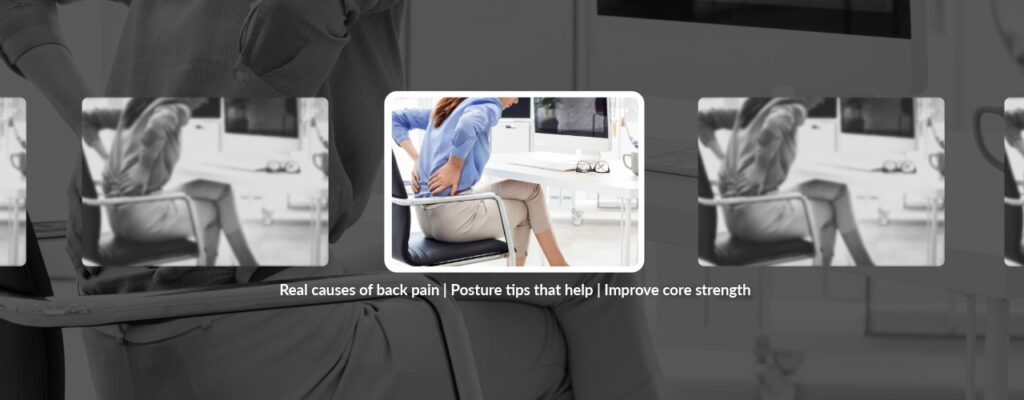
Back pain is one of the most common reasons people visit healthcare providers and miss time from work or daily activities. It can range from a mild annoyance to a serious limitation that affects sleep, mobility, and independence. While the discomfort may feel similar from person to person, back pain causes can vary significantly depending on posture, activity levels, previous injuries, or underlying health conditions. Physical therapy offers a proven, non-invasive way to address these causes and support long-term recovery.
At Nestor PT, we focus on helping patients understand what is driving their symptoms so we can develop a treatment plan tailored to their specific needs.
Your Questions Answered: What’s Really Causing Your Back Pain?
Here are some of the most frequently asked questions about back pain causes and how physical therapy helps.
1. What are the most common causes of back pain?
The most common back pain causes include:
- Poor posture during sitting, standing, or lifting
- Weak core or postural muscles
- Muscle strain from overuse or sudden movements
- Herniated or bulging discs
- Spinal arthritis or degenerative disc disease
- Limited flexibility in the hips or legs that puts stress on the spine
In many cases, back pain results from a combination of these factors. A physical therapist will evaluate your movement patterns, strength, and posture to pinpoint the primary cause and determine the best way to address it.
2. Can back pain be caused by sitting too much?
Yes. Prolonged sitting, especially with poor posture or without movement breaks, is a common trigger for back pain. Sitting causes certain muscles to become tight while others weaken, which disrupts spinal alignment and leads to discomfort. Over time, this imbalance can contribute to chronic pain or flare-ups.
Physical therapy addresses this with exercises that target posture correction, core engagement, and muscle flexibility to support better alignment throughout your workday.
3. Is back pain always due to a spinal issue?
Not always. While spinal conditions like herniated discs or stenosis are common, soft tissue problems such as strained muscles or tight ligaments also contribute to pain. Additionally, referred pain from nearby joints, like the hips or pelvis, can mimic back discomfort.
A physical therapist performs a full-body assessment to determine whether your pain is truly spinal or if another joint or muscle group is involved. Treatment then targets the actual source of discomfort.
4. Can physical therapy help with back pain that has lasted for months or years?
Yes. Chronic back pain often develops when small problems go untreated. Over time, the body learns to move in inefficient ways to avoid pain, which can create long-term issues. Physical therapy helps break this cycle by restoring movement, building strength, and improving awareness of how to move without strain.
Even if your back pain has been persistent, therapy can still provide meaningful relief and reduce your reliance on pain medications.
5. Do I need imaging (like an MRI) before starting physical therapy?
Not necessarily. For most people with back pain, especially without signs of nerve damage or serious injury, physical therapy can begin without imaging. Therapists are trained to screen for red flags and refer you to a physician if imaging becomes necessary. Starting therapy early often prevents the pain from becoming a long-term issue.
6. What role does core strength play in back pain relief?
Core strength is one of the most important factors in preventing and relieving back pain. The core includes deep abdominal muscles, spinal stabilizers, and the muscles around your pelvis. When these muscles are weak or uncoordinated, your spine is less supported, which increases the risk of strain.
Physical therapy focuses on activating and strengthening these muscles in a safe and progressive way to protect your spine and improve your posture.
7. Can physical therapy prevent future episodes of back pain?
Yes. One of the most important benefits of physical therapy is education and prevention. You will learn how to move correctly, stretch key muscle groups, and build strength in the right areas to avoid future injuries. Your therapist will also help you recognize early warning signs and show you what to do to stop pain before it escalates.
This makes therapy not just a treatment for current pain, but a tool for long-term wellness.
Back Pain Causes and Solutions: A Therapist’s Approach
Understanding the root cause of your pain is the first step toward finding relief. At Nestor PT, our therapists specialize in uncovering the true source of your symptoms and guiding you through a personalized recovery plan. Whether your pain is new or has been lingering for years, we are here to help you move more comfortably and confidently.
Contact Nestor PT today to schedule your evaluation. Our team is here to support you with expert care and strategies that last.