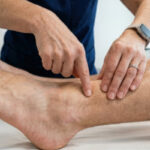


The Difference Between Back Pain and Sciatica
Have you been told your persistent lower back pain is really sciatica? Did you know specific signs and symptoms can clarify what condition you’re dealing with? Far too often, these terms are used interchangeably or, worse yet, inaccurately. Fortunately, at Nestor Physical Therapy, our skilled physical therapists can clear it up for you and set you on the right path to relief!
Back pain and sciatica can be confusing and even intimidating, especially when you’re not sure what’s causing your discomfort. Whether from a car accident, lifting something heavy, or seemingly out of nowhere, both back pain and sciatica seem to have similar causes and even share some symptoms.
That’s where physical therapy comes in. Physical therapy is highly effective for both conditions. It helps reduce pain, improves mobility, and, most importantly, tackles the underlying issues to prevent future discomfort. With a tailored treatment plan, you can get back to doing what you love, pain-free.
Understanding the Difference Between Back Pain and Sciatica
Back pain and sciatica are sometimes used interchangeably, but they’re not the same. Lower back pain is generally localized, affecting the lumbar region of the spine. It can arise from muscle strains, herniated discs, or prolonged poor posture.
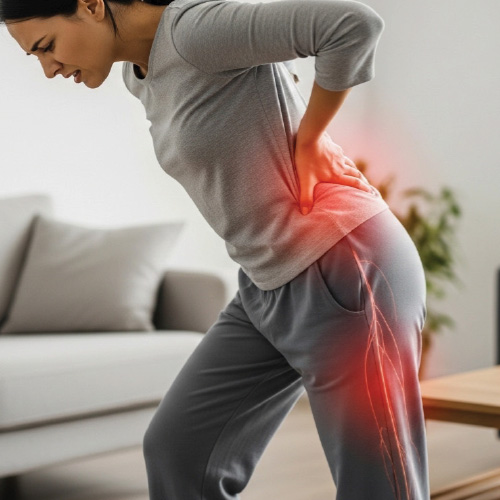
Sciatica, on the other hand, is more specific and involves pain that travels along the sciatic nerve. This nerve starts in the lower back and runs through the hips and buttocks down to each leg. The pain you feel could be shooting, burning, or even tingling, and it usually affects just one side of your body. To be a “true” sciatica,” nerve symptoms must be felt in the leg (specifically below the knee).
Common Causes of Back Pain and Sciatica
Lower Back Pain: In most cases, lower back pain is caused by factors such as muscle strain, herniated discs, degenerative disc disease, arthritis, and other conditions.
Sciatica: Most commonly caused by a herniated disc, bone spur where the nerve exits the spine, or narrowing of the spine (spinal stenosis) compressing part of the nerve.
Classic Symptoms of Back Pain and Sciatica
Lower Back Pain: May include stiffness, muscle spasms, and difficulty in moving.
Sciatica: Must consist of symptoms along the nerve root in the leg and typically include numbness, tingling, or muscle weakness in the affected leg or foot, in addition to pain.
It’s crucial to know the difference between the two because the treatment approaches differ. For example, sciatica might require attention to nerve compression issues, while lower back pain could be more muscle-related.
So, if you’re tired of enduring persistent pain, take action and call to schedule an appointment with our spine experts. Let us help you understand your condition and guide you toward effective relief.
Our Approach to Assessment and Treatment at Nestor Physical Therapy
If you are experiencing back pain or sciatica, it’s time to take action. Working with our experienced therapists can help you understand what you are dealing with and, most importantly, how to resolve it once and for all!
Whether you come to our clinic with lower back pain or sciatica, we will perform a thorough physical examination and medical history to provide you with solutions that work based on the findings.
Education:
Understanding what is going on and, more importantly, what you can do about it is one of the most effective solutions. Our physical therapists will make sure you have the information you need to be successful.
Manual Therapy:
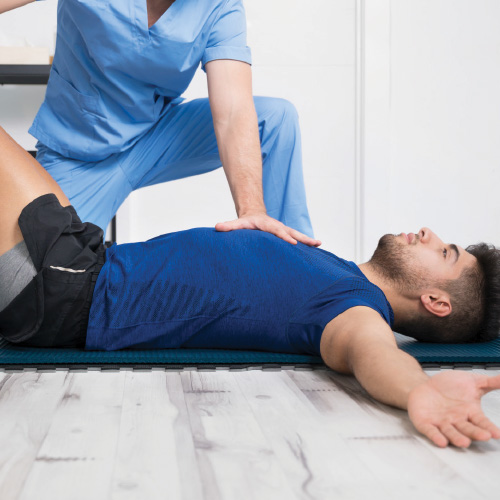
Manual therapies include a variety of methods, including joint mobilizations and manipulations that move one or more joints within normal ranges of motion to improve spinal joint motion or function.
Our physical therapists may also use soft tissue techniques like myofascial release, trigger point releases, and other methods to help alleviate pain and allow for more mobility and improved function.
Targeted Exercises:
Our exercise programs include mobility exercises, proper postural exercises, nerve mobilization, or strength exercises. Our physical therapists will tailor your workouts, monitor you, and progress based on your individual needs.
Your well-being is our top priority. At Nestor Physical Therapy, we offer a proven approach to back pain and sciatica. Don’t let pain hold you back any longer. Call today and take the first step toward a pain-free life.
Get Started with PT Now!
Return to Nestor Physical Therapy and Let’s Continue Your Journey to Wellness Together. Schedule Your Appointment Now!

Bulgogi Steak Lettuce Wraps
What is Bulgogi? Bulgogi is a Korean term for thinly sliced and marinated beef. This recipe care be prepared ahead of time and it cooks quickly and is easy to assemble. It is perfect for a quick summer-night dinner or hearty appetizer. The beef is marinated in a flavorful savory-sweet sauce. Bulgogi can be made with ribeye, flank, sirloin, or skirt steak. The beef can be marinated a few hours ahead of time, but it will be better if you marinate it overnight.
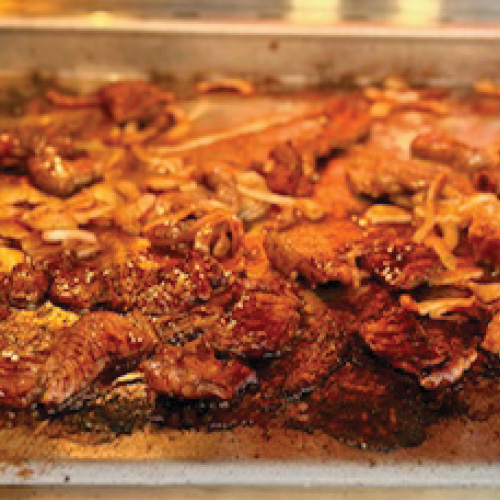
Here is how it all comes together. I selected a sirloin steak at my local butcher shop. Your butcher might even slice the steak for you on the meat slicer. I placed the steak in the freezer for 10 minutes before slicing. The steak firms up in the freezer and makes it easier to slice thin. While the steak is in the freezer I made the marinade. The marinade consisted of one cup of pineapple juice, ½ cup of soy sauce, ¼ cup brown sugar, three smashed garlic cloves, one 1-inch piece of fresh ginger, and two tablespoons of sesame oil. I combined all ingredients in the blender. Next, I thinly sliced the sirloin steak and one white onion and placed them in a Ziploc bag. I poured the marinade over the steak and onions and tossed to coat. I sealed the bag and placed it in the refrigerator overnight.
There are variety of sides that would pair with the Bulgogi beef and selected Asian quick pickled cucumbers. To make the cucumbers I thinly sliced one English cucumber and placed the slices in a sieve (or use a colander). Season the cucumbers with 2 tbsp of kosher salt and let the water drain from the cucumbers for 20 minutes. To make the marinade I combined one cup of rice wine vinegar, 2 tbsp of soy sauce, 1.5 tbsp of agave, 1 tbsp of fresh ginger, and three finely chopped garlic cloves. Next, remove the cucumbers from the sieve, but do not rinse the cucumbers. Add the cucumbers and the marinade to a container with a lid and toss to coat with marinade. Add enough water (½-1 cup) to cover the cucumbers and then place in the refrigerator for at least 30 minutes.
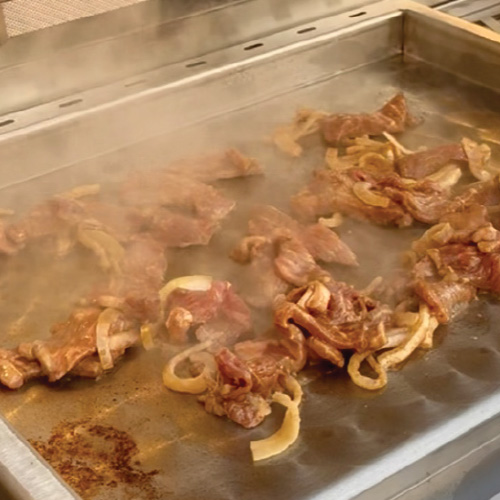
I cooked the Bulgogi beef and onions on a drop-in griddle for my gas grill. If you do not have a griddle, use a cast iron pan or a plancha on your gas grill. Griddles have become popular over the last few years, so you might have one at home. I heated the drop in griddle to medium high heat. I knew the griddle was ready go when I put a drop of water on the griddle and it evaporated immediately. The thinly sliced steak and onion hit the griddle and sizzled immediately. The high heat of the griddle and the marinade created a crispy and dark exterior on the steak. Once one side of the steak was seared, I flipped it over to finish cooking. Total cooking time for the steak and onions was just a few minutes. Due to the large flat cooking surface, the griddle was not crowded and there were not any grates for food to fall through.
I placed two large lettuce leaves on a plate and placed the bulgogi beef on top. Next, the steak was then topped with quick picked Asian cucumbers and garnished with green onion and sesame seeds. The bulgogi developed a crusty and flavorful exterior due to the combination of griddle’s high heat and the marinade. In addition to flavoring the steak the pineapple juice in the marinade tenderized the steak. The Asian picked cucumbers balanced the sweetness of the steak, provided freshness and a crunchy texture to the lettuce wrap. Enjoy!


Prepare to Swim in the Water Safely
Swimming is a great way to stay active and cool as the weather warms up. However, it’s essential to take the necessary steps to ensure that you’re safe in the water. Check out these important swimming safety tips before heading out to the beach or pool this summer!
Ensure That A Lifeguard Is Present As You Swim
Having a trained lifeguard watching over you at the pool or beach is a must. A lifeguard can prevent you from sustaining a severe injury or drowning and can generally ensure that you’re following the best practices for swimming.
Swim With A Buddy
Not only is swimming with a friend a great way to stay safe, it’s also more fun! Swimming with a buddy can also help you hold yourself more accountable and stay determined as you progress through your laps.
Never Leave A Child Unattended
It is essential to make sure your child never swims alone– this is how accidents happen. Teach your children to ask permission before going in the water, and let them know that an adult should always be there to supervise them.
Drink Plenty Of Water
It can be easy to get dehydrated under the hot sun, even if you are in a cool and refreshing body of water. Remember to drink plenty of liquids and avoid dehydrating drinks with excess caffeine.
Wear Your Sunscreen
Invest in a quality waterproof sunscreen with a high SPF to protect your skin from the sun’s harsh rays. Wearing sunscreen can make a massive difference in the fight against skin cancer and can help you avoid painful burns.

What We Treat at Nestor PT!
At Nestor Physical Therapy, we treat a wide range of conditions—from back, neck, and joint pain to balance disorders, chronic pain, vertigo, TMJ dysfunction, and more. Whether you’re recovering from surgery, managing a neurological condition, dealing with arthritis or fibromyalgia, or healing from a sports, work, or car accident injury, our expert team is here to help. We also offer specialized care for headaches, poor posture, pelvic pain, and pre-surgical physical therapy to prepare your body for success.
Our Services:
- Back Pain
- Neck Pain
- Hip Pain
- Foot Pain
- Elbow Pain
- Hand Pain
- Balance Disorders
- Chronic Pain
- Vertigo
- Headaches & Migraines
- Neurological Conditions
- Poor Posture
- Post-Surgical Rehabilitation
- TMJ Dysfunction
- Sciatica
- Shoulder Pain
- Knee Pain
- Ankle Pain
- Wrist Pain
- Arthritis
- Gait Disorders
- Dizziness
- Fibromyalgia
- Motor Vehicle Accident Injuries
- Pelvic Pain
- Pre-Surgical Physical Therapy
- Sports Injuries
- Work Injuries
Thank You’s
High fives all around to all Nestor Physical Therapy patients and friends who participated in our “Refer a Friend” program last month!
Patient Success Spotlights
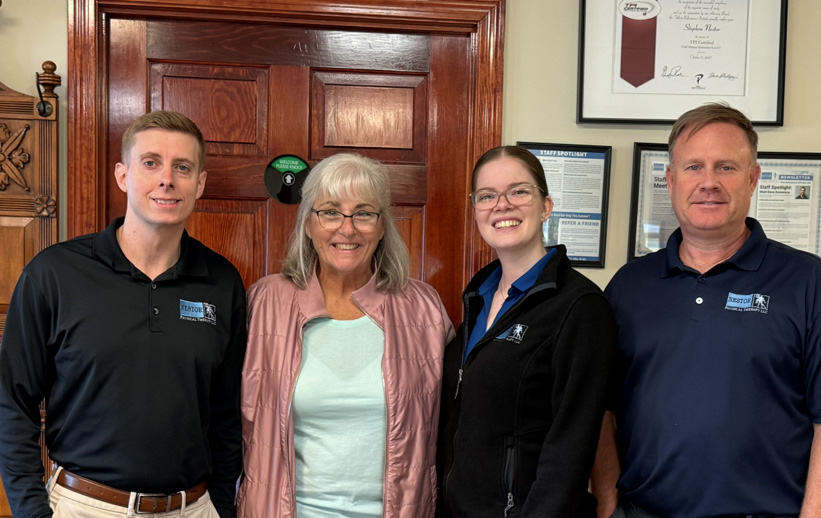
“After suffering a broken ankle and undergoing surgery, I was told to go to physical therapy. This experience was initially very traumatic, and I thought I would never walk normally again. After several weeks of PT, Dr. Nestor and the staff worked miracles. They got me walking with no pain, and I am forever grateful to them all. I am a Nestor PT fan!”
–Maryellen A.
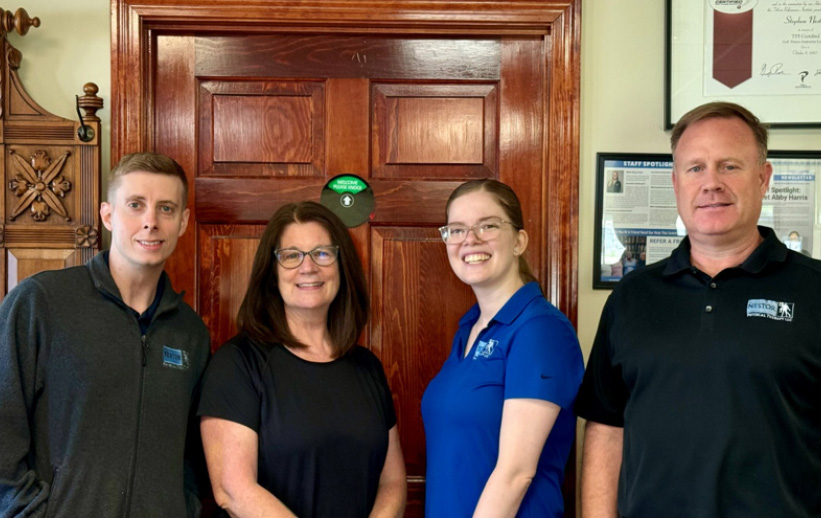
“Before physical therapy, I wasn’t able to do any of my normal activities, such as walking, sitting, bending, lifting or even sleeping, because of severe back pain. I’m happy to say that after PT, I’m completely pain-free and back to doing everything I love. Thanks to Alissa, David, and Dr. Nestor for their patience, care, and support—I feel like a new person! Also Laurie, the first person you see when you open the door. Her happy smiling face puts you in a great mood. The entire team is fantastic, and I’m so grateful to be living pain-free again.”
-Claire P.

The Power of a Strong Core in Alleviating Sciatica
If you’ve ever felt shooting pain from your lower back down to your leg, you’re familiar with the discomfort of sciatica. It’s more than just a pain; it can disrupt your entire life. One effective but often overlooked approach to manage and potentially reduce this nagging issue is strengthening your core muscles. At Nestor Physical Therapy, we’re experts in guiding you through core-focused exercises to find much-needed relief.
Why a Strong Core Matters
A strong core is not just about having “abs”; it includes muscles in your back, pelvis, hips, and even your buttocks. When these muscles are in tip-top shape, they help keep everything in the proper position and working correctly, minimizing the stress on the sciatic nerve and helping you feel less pain and more comfort.
Three Common Core Exercises
This is a fundamental core exercise that works your abdomen and the muscles in your back and shoulders. Holding a plank position for several seconds engages multiple muscle groups, enhancing spinal stability.
Ideal for working your glutes, lower back, and hamstrings. By lying on your back with your feet flat on the floor and lifting your hips towards the ceiling, you strengthen the muscles that support your back.
This low-impact exercise engages the core without straining the lower back. Perform by lying on your back with arms extended upwards and knees bent above hips. Lower your right arm above your head while extending your left leg out, return to the starting position, and repeat.
Show Your Body Some Love This Summer!

Summer is calling—don’t let aches and stiffness hold you back from enjoying it!
Whether you’re hitting the trails, chasing the kids, or diving into your favorite activities, Nestor Physical Therapy is here to keep you moving strong, pain-free, and ready for every sun-soaked adventure.